1. NUMBER
1. Introduction |
2. PATTERN & ALGEBRA
2. Introduction |
3. MEASUREMENT & GEOMETRY
3. Introduction |
| |
|
|
1.A. ODDS & EVENS
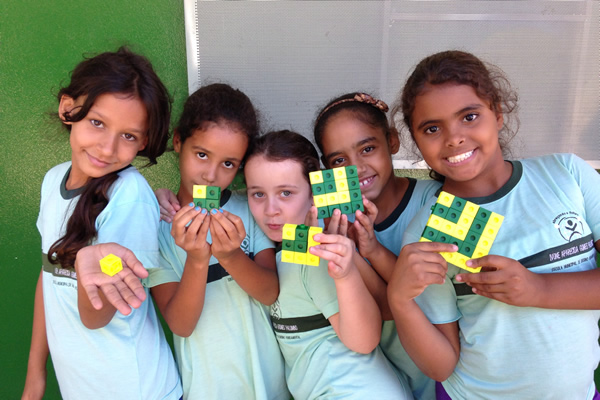 1.A.0. Introduction 1.A.0. Introduction
1.A.1. Adding odd numbers
1.A.2. Adding even numbers
1.A.3. Adding natural numbers
1.A.4. Extensions
1.A.5. Classroom documentary |
2.A. REPEATING PATTERNS
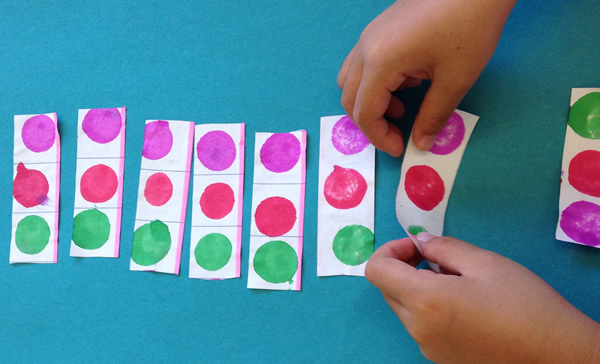 2.A.0. Introduction 2.A.0. Introduction
2.A.1. Song, dance & colour
2.A.2. On a grid
2.A.3. Extensions
2.A.4. Classroom documentary |
3.A. PARALLEL LINES
3.A.0. Introduction
3.A.1. Where parallel lines meet
3.A.2. Triangles on a sphere
3.A.3. Extensions
3.A.4. Classroom documentary |
| |
| |
1.B. INFINITY & BEYOND
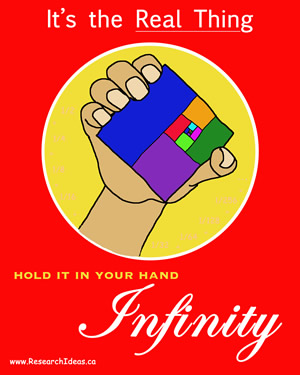 1.B.0. Introduction 1.B.0. Introduction
1.B.1. Walking out the door
1.B.2. Infinity in your hand
1.B.3. Interview with a mathematician
1.B.4. Extensions
1.B.5. Classroom documentary |
2.B. GROWING PATTERNS
2.B.0. Introduction
2.B.1. Growing patterns
2.B.2. Graphing growing patterns
2.B.3. Creating growing patterns
2.B.4. Modeling with code
2.B.5. Meet a mathematician
2.B.6. Extensions
2.B.7. Classroom documentary
| 3.B. FENCING YOUR DOG
3.B.0. Introduction
3.B.1. Constant area
3.B.2. Constant perimeter
3.B.3. Extensions
3.B.4. Classroom documentary |
| |
|
|
1.C. NUMBERS & SOCIAL JUSTICE
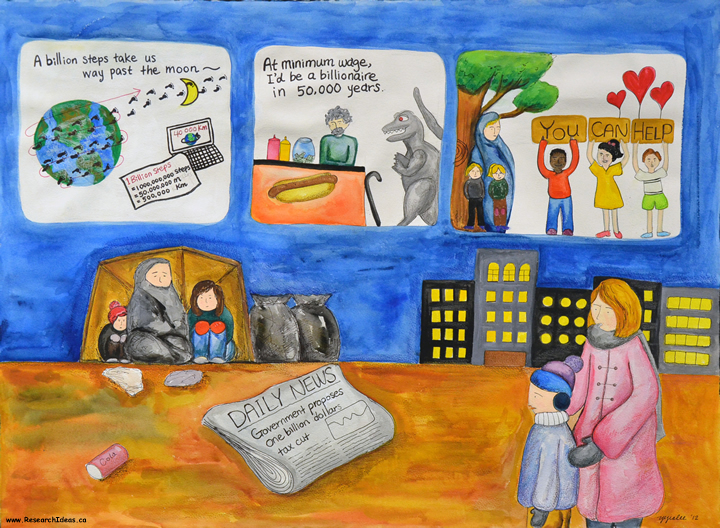 1.C.0. Introduction 1.C.0. Introduction
1.C.1. Litres in a cubic metre
1.C.2. Working at minimum wage
1.C.3. Extensions
1.C.4. Classroom documentary |
2.C. MISSING NUMBER PATTERNS
2.C.0. Introduction
2.C.1. Making 10
2.C.2. Changing directions
2.C.3. Making less than 10
2.C.4. Meet a mathematician
2.C.5. Extensions
2.C.6. Classroom documentary
|
3.C. FERMI QUESTIONS
3.C.0. Introduction
3.C.1. Measurement benchmarks
3.C.2. Posing Fermi questions
3.C.3. Extensions
|
| |
2.D. CIRCULAR PATTERNS
2.D.0. Introduction
2.D.1. Clock & waves
2.D.2. Sunrise & temperature
2.D.3. Extensions
2.D.4. Classroom documentary |
|
| |
|
|
| |
|
|
4. DATA & PROBABILITY
4. Introduction |
5. WHAT DID YOU DO IN MATH TODAY?
5. Introduction |
6. COMPUTATIONAL THINKING
6. Introduction |
| |
|
|
4.A. PROBABILITY RACE (DICE)
4.A.0. Introduction
4.A.1. Dice race
4.A.2. Dice game
4.A.3. Extensions
4.A.4. Classroom documentary |
5.A. LESSON DESIGN MODEL
5.A.0. Introduction
5.A.1. Surprise
5.A.2. Low floor, high ceiling
5.A.3. Emotional engagement
5.A.4. Audience |
6.A. WHAT IS CT?
 6.A.0. Calls for CT 6.A.0. Calls for CT
6.A.1. The range of CT
6.A.2. Affordances of CT
6.A.3. Keynotes |
| |
|
|
4.B. TAKING CHANCES (COINS)
4.B.0. Introduction
4.B.1. Tossing coins
4.B.2. Pascal's triangle
4.B.3. Algebra connection
4.B.4. Meet a mathematician
4.B.5. Extensions |
5.B. EDUCATION REFORM MODEL
5.B.0. Introduction
5.B.1. Cover the curriculum
5.B.2. Have a clear goal
5.B.3. Change gradually
5.B.4. It's not about you & me |
6.B. IN THE MATH CLASSROOM
6.B.0. Cases of CT
6.B.1. Shapes in grades 1-3
6.B.2. Binomial theorem in grade 1 |
| |
|
|
4.C. LOST SOCKS
4.C.0. Introduction
4.C.1. Experimental probability
4.C.2. Theoretical probability
4.C.3. Extensions |
5.C. HOW TO USE THIS RESOURCE
5.C.0. Introduction
5.C.1. In the classroom
5.C.2. Teacher education
5.C.3. Professional development
5.C.4. Parents & the wider community |
6.C. RESOURCES
6.C.0. Links to resources |
| |
|
|